Blog
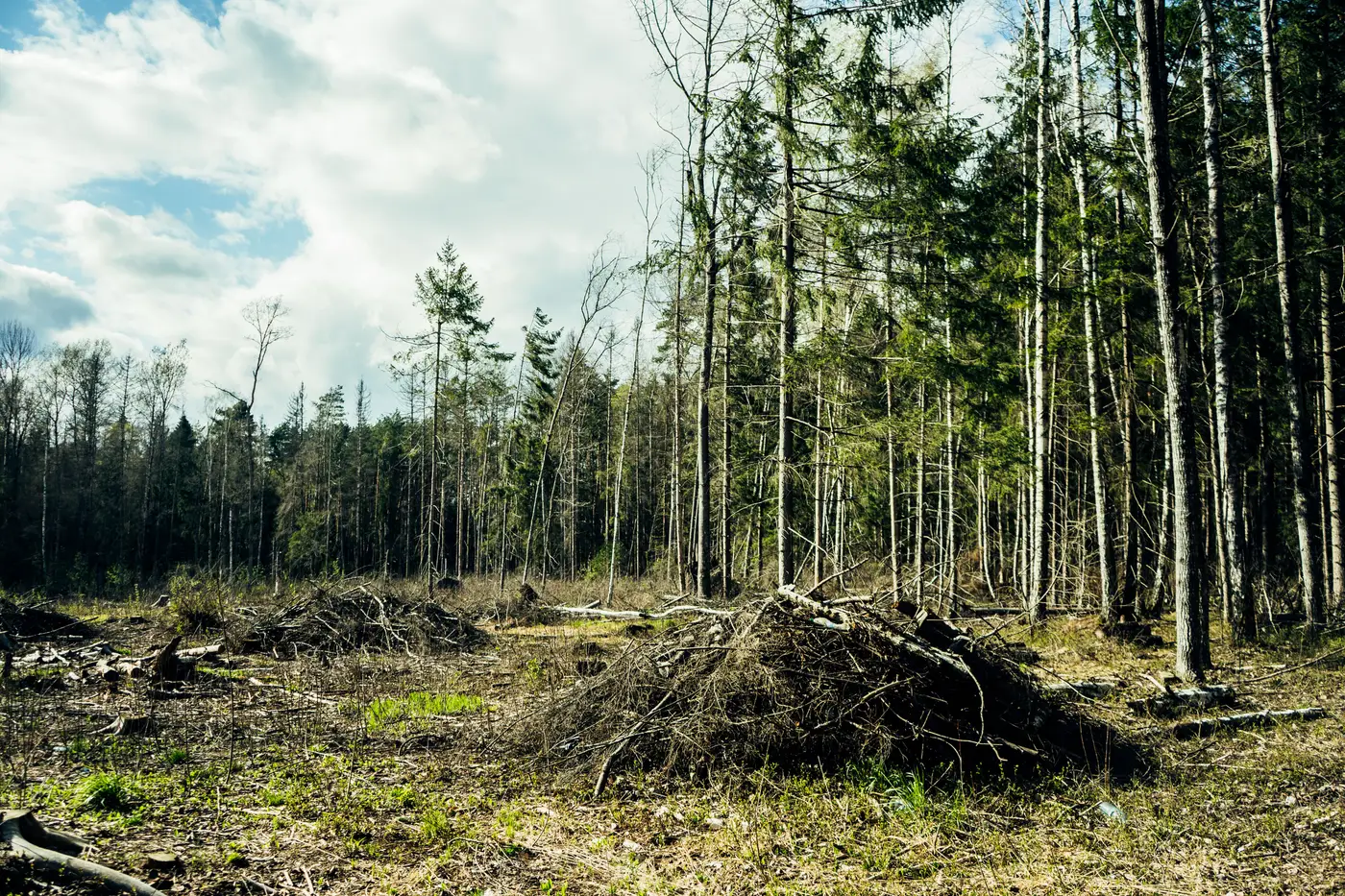 Why a slash pile doesn't mean the cutblock is still active
Slash piles can sit on a closed-out cutblock for months waiting on a burn permit. Here's how to tell that apart from a crew still working the unit.
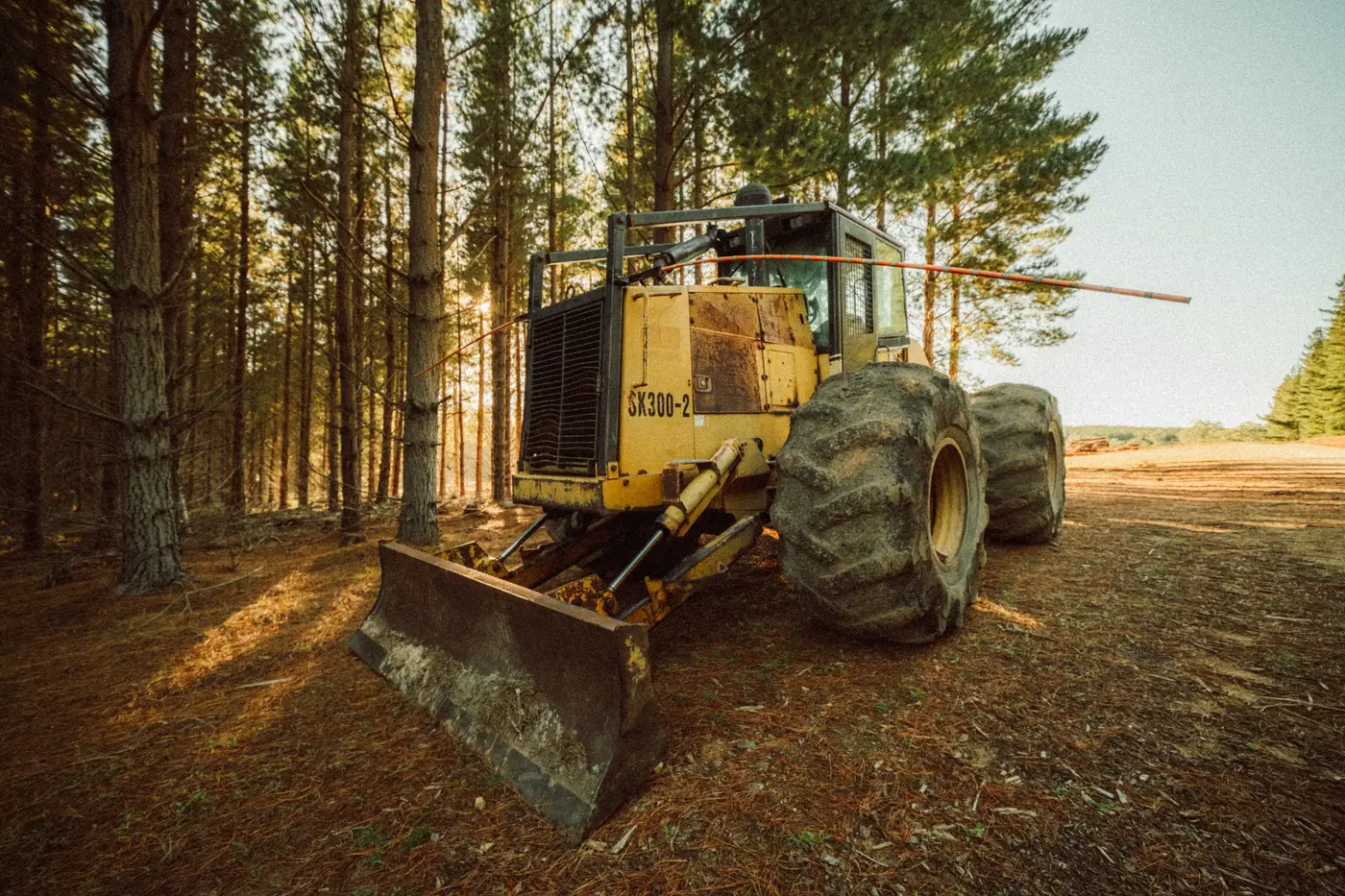 Yarder or skidder? Reading the ground signs on a steep-slope show
How to tell a cable yarding setup from ground-based skidding just by what's on the landing and in the cutblock.
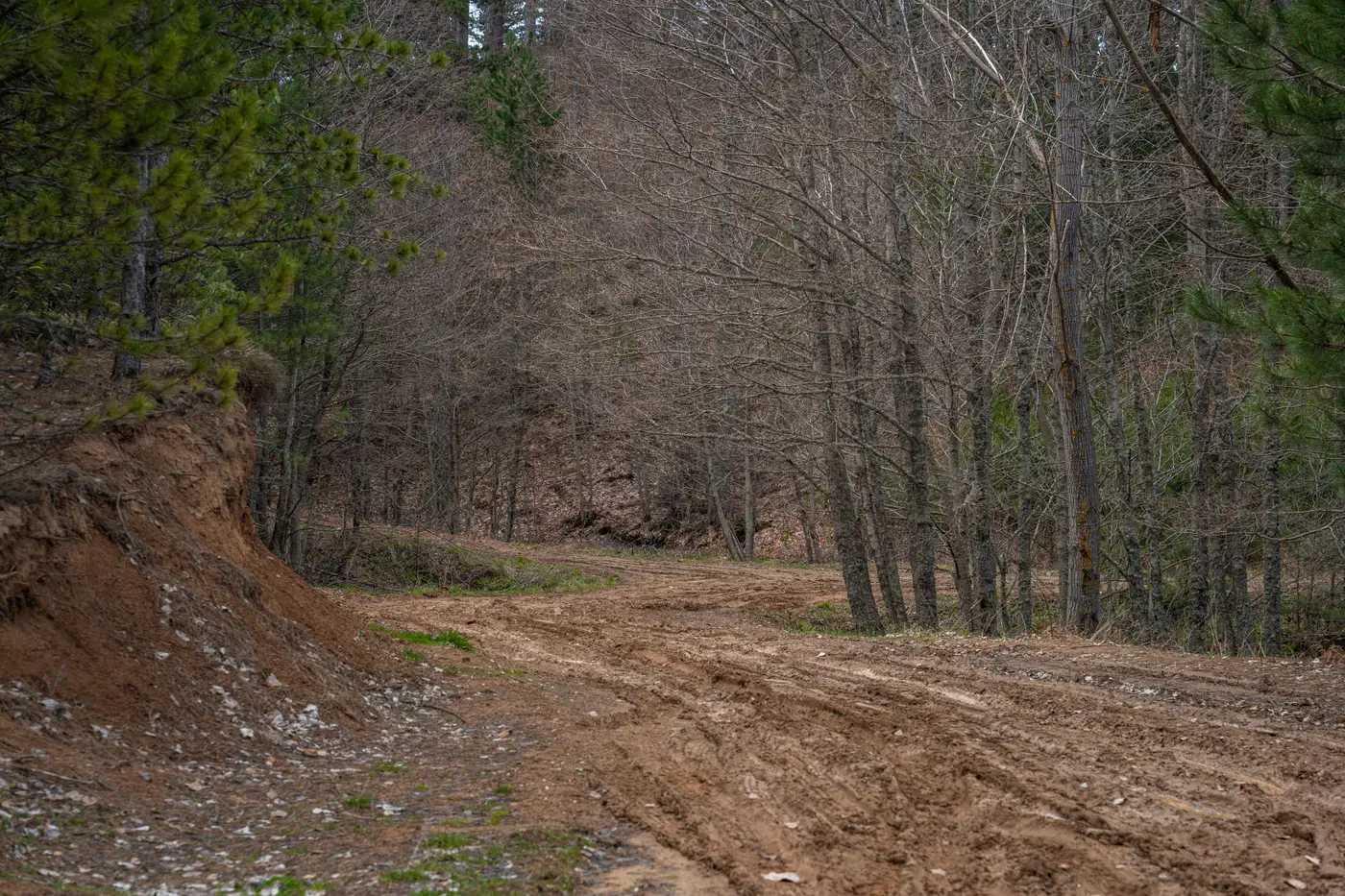 Field notes: the mud season that moved a whole crew's operation into the swamp
A contractor's imagery trail from upland pine to a pocosin block shows why mud season, not the cut plan, decides where a crew works.
 What a wood dealer does and why some logging crews never sign with a mill
Wood dealer vs direct mill contract, explained the way loggers experience it: tract assignments, fiber supply deals, and who fronts the risk.
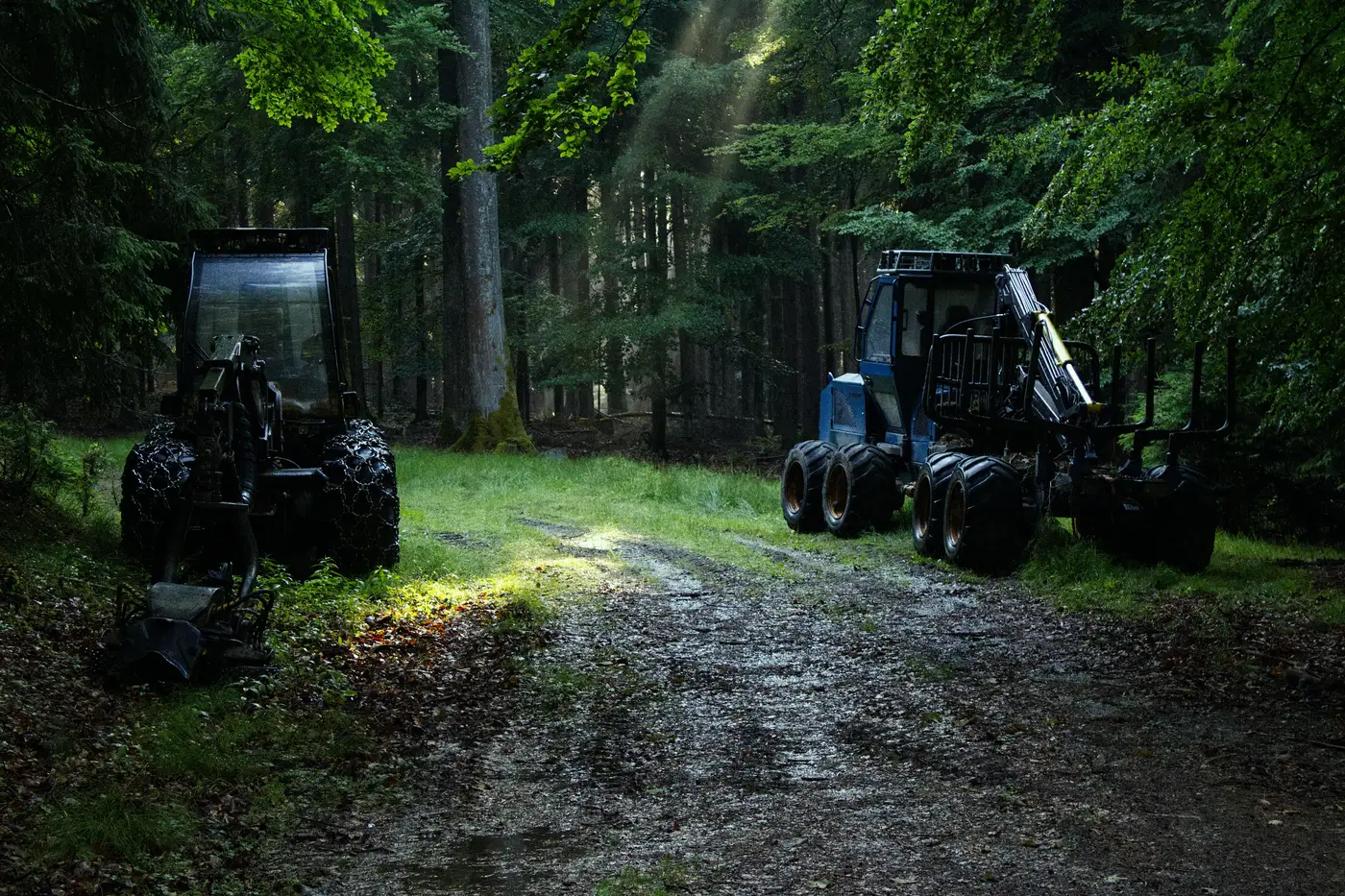 Forwarder vs skidder: how to tell them apart in satellite imagery
A field guide to spotting forwarders and skidders in overhead imagery by shape, load, and the tracks they leave in the cutblock.
- What is spring breakup, and why does it empty cutblocks for weeks?
Spring breakup shuts down logging across whole regions for weeks. Here's what actually happens to roads, ground, and crews during mud season.
 Field notes: the logging show that moved three townships in one winter
A winter pattern every OEM rep has run into: a logging show jumping county lines twice before the mud hits, and why the permit map never catches it.
- What is a logging contractor's working radius, and why it matters for your territory
How far a logging crew will haul from the mill determines where they cut next, and it rarely matches the county lines on your dealer territory map.
- What a contractor's rate of cut tells an equipment dealer
Rate of cut is a logging crew's daily output, and it's one of the best signals a dealer has for who's spending hours on their machines right now.
- What is a hoe chucker, and how is it different from a dedicated skidder?
Hoe chucker vs dedicated skidder: what separates a repurposed excavator from a purpose-built wood-moving machine on an active cut.
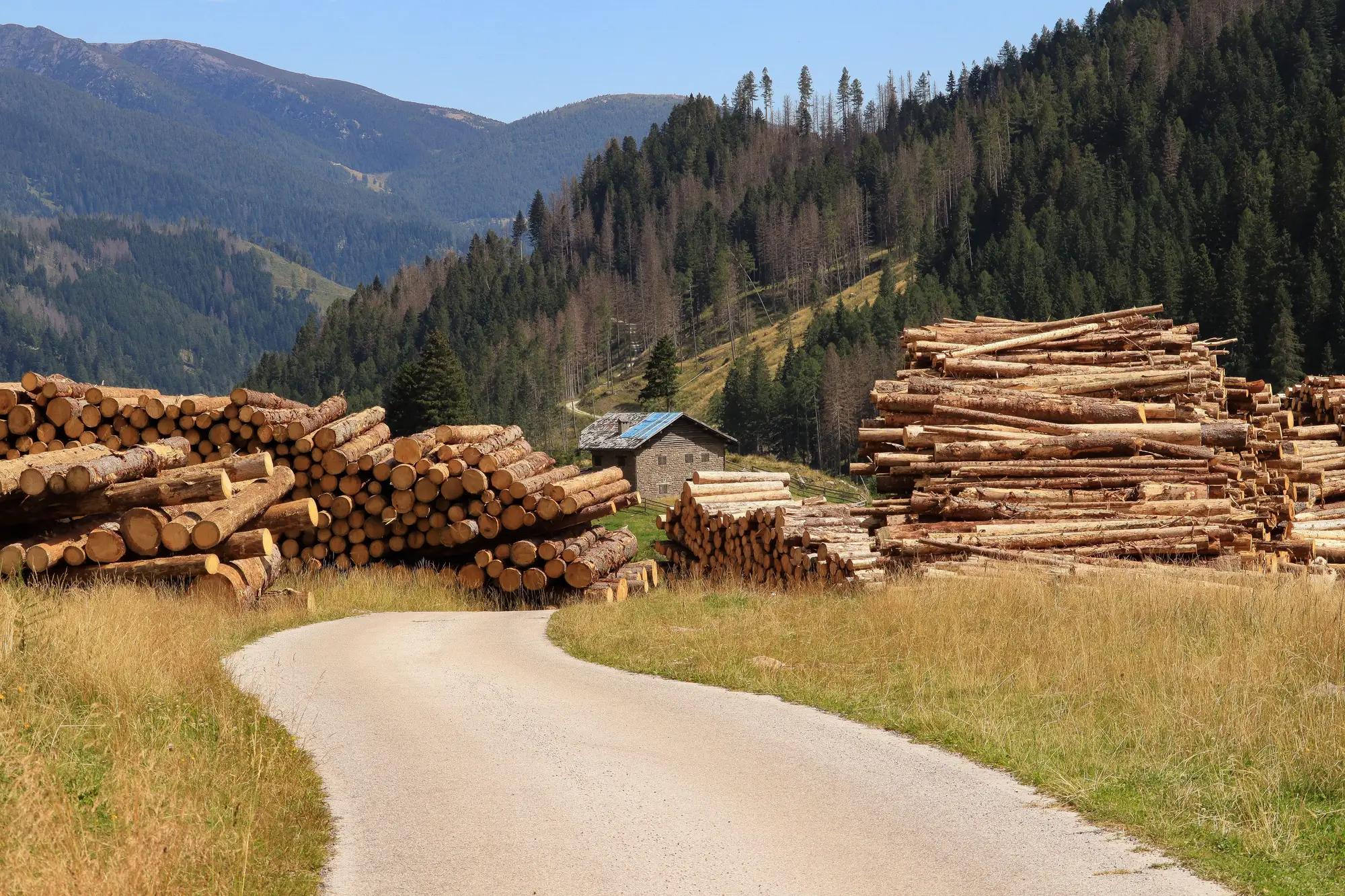 Field notes: the crew that didn't show up on the November pass
A field note on what it means when a logging crew vanishes from a cutblock between monthly passes, and how to read that gap.
- How to tell a delimber from a processor head in satellite imagery
A processor head and a delimber knife gate look the same from a VHR pass. Here's what you can actually resolve, and what the landing tells you instead.
- Hot logging vs. cold decking: what's the difference?
Hot logging moves wood straight from stump to mill the same day. Cold decking piles it at the landing first. Here's what separates the two.
- How many harvesters does a logging contractor run?
A look at typical harvester and forwarder counts on a logging contractor's fleet, and why the permit number rarely matches what's cutting.
- Grapple skidder vs cable skidder: reading the silhouette from above
How to tell a grapple skidder from a cable skidder in overhead imagery, using silhouette, log bunching, and terrain cues.
- Active cutblock vs. dormant: how to tell from imagery
How to read fresh imagery for the difference between a cutblock still being worked and one a crew has walked away from.
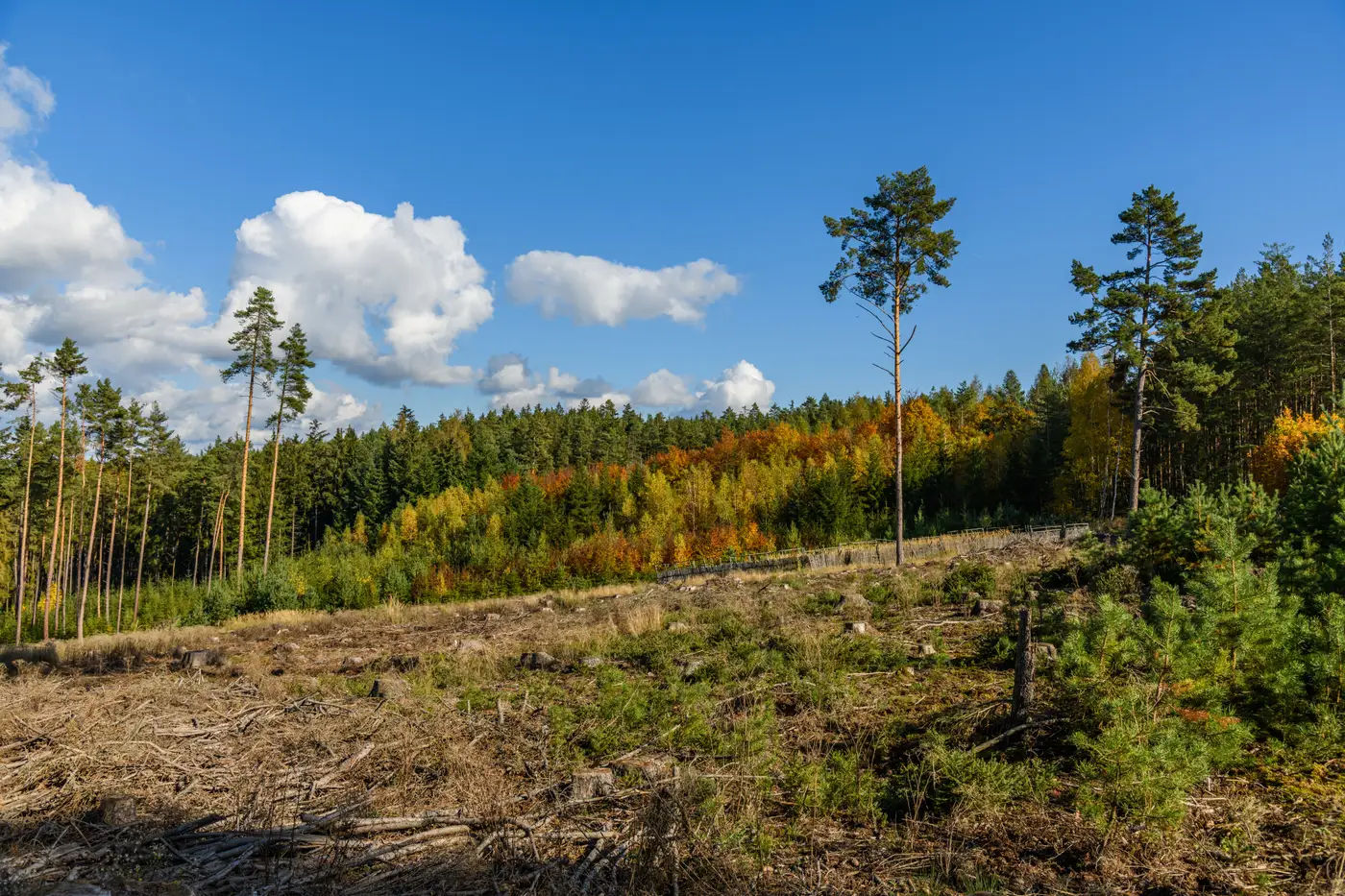 Clearcut vs selective harvest: reading the signature from above
How to tell a clearcut from a partial cut in aerial or satellite imagery, plus what the landing and skid pattern tell you about the harvest system.
- Cut-to-length vs full-tree logging: what the landing tells you
How to read a landing from imagery to tell CTL from full-tree operations, and spot a processor vs a delimber at the deck.
- Feller buncher vs. harvester: telling them apart from overhead imagery
How to tell a feller buncher from a harvester in satellite or aerial imagery, by slash pattern, boom shape, and undercarriage.
- Roadside landing or log yard? How to tell them apart in satellite imagery
Decked logs at a cutblock landing look a lot like a mill yard from above. Here's what separates the two in VHR imagery.