Why a slash pile doesn't mean the cutblock is still active
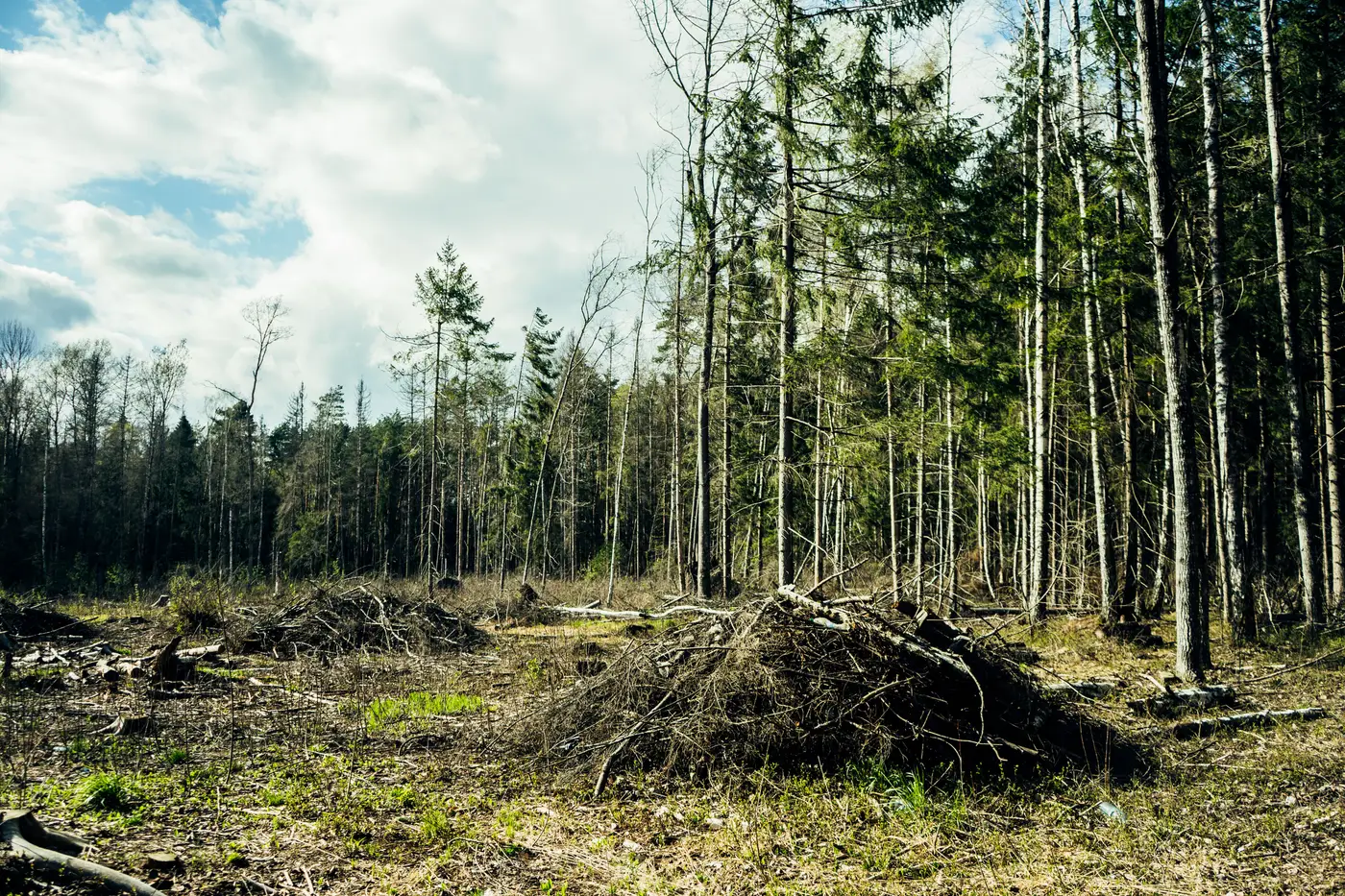
If you've spent any time driving cutblocks, you already know the piles don't disappear when the crew does. The fallers and skidders pull out, the landing goes quiet, and those slash piles just sit there, sometimes for a whole season, waiting on a permit that hasn't come through yet.
That gap between "logged out" and "burned off" is where a lot of imagery-based reads on cutblock status go sideways.
What a slash pile actually is
Slash is the leftover woody debris from harvest: tops, limbs, broken chunks, the stuff that isn't merchantable and isn't worth skidding to the landing. On most ground it gets piled, either by the harvester as it processes stems or with an excavator after the fact, so it can be burned down later and the site can be prepped for replant or left to regenerate.
Piling is routine. Burning is not up to the contractor's schedule. A burn permit depends on the local fire authority or forestry agency, and it only gets issued when conditions line up: fuel moisture, wind, air quality windows, sometimes a province- or county-wide burn ban that has nothing to do with that specific unit. A contractor can finish a block in August and not get a green light to torch the piles until November, or until next spring if the fall window closes early.
Why that reads as "active" if you're not looking at the right thing
From the air or off a satellite pass, a block with fresh slash piles still standing looks a lot like a block mid-harvest. The ground disturbance is the same. The piles themselves can look identical to a landing stockpile waiting on a log truck. If your read on activity is based on surface change, pile presence, or general disturbance signature, a closed-out unit sitting on a permit backlog will trip the same flags as one with a crew still in it.
A sales rep who reads piled slash as an active signal and routes a visit there finds an empty landing and a contractor who moved his equipment to the next block two counties over, weeks ago. The piles didn't go anywhere. The machines did.
The piles also don't tell you which contractor is still on the clock for that permit, or whether disposal has even been scheduled. A block can be fully logged, slashed, piled, and done on the harvest side while sitting in administrative limbo for the burn sign-off. None of that limbo involves equipment on site.
What actually separates "still cutting" from "waiting on a burn"
Equipment on site is the signal that holds up. A harvester or forwarder parked on a landing, or working a cut line, means a crew is still on that unit. Slash piles are a disposal problem waiting on scheduling, and they can sit there through an entire permit cycle without a single piece of iron coming back to the site.
This is the gap Forestry Machine Census is built to close: instead of reading disturbance or pile cover as a proxy for activity, it counts the harvesters and forwarders actually present on a cutblock or landing, month over month. A unit with piled slash and zero machines on the monthly pass reads as closed out, not active, because the equipment count is what it's tracking, not the ground cover.
If slash piles have ever had you second-guessing whether a contractor's still on a unit, it's worth seeing what a monthly machine count on that same block tells you instead.