Field notes: the crew that didn't show up on the November pass
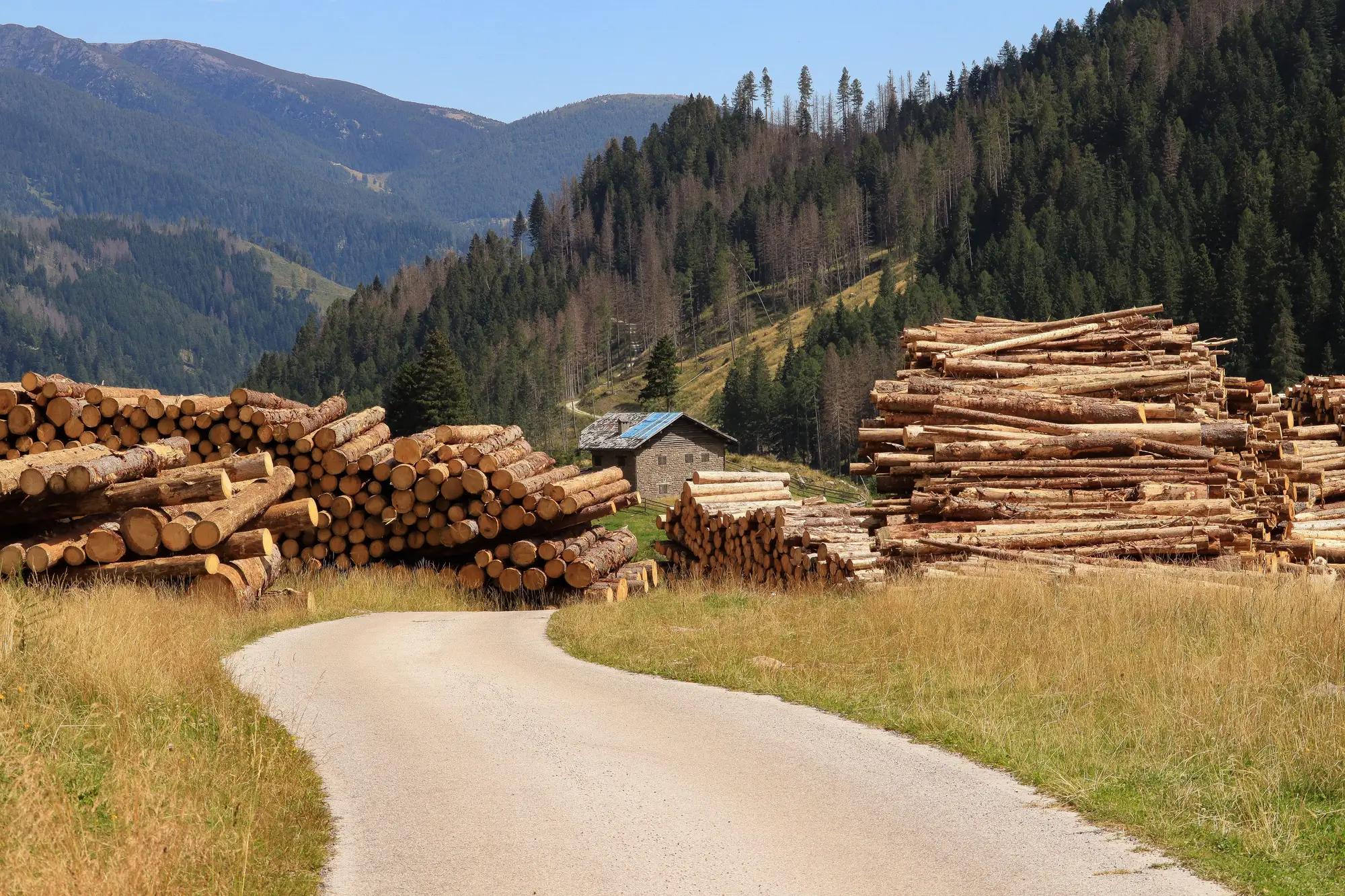
There's a block off a mainline in the central interior that's had a harvester and two forwarders working it steady since April. Same footprint, same landing, same slow creep of a cut line eating into standing timber month over month. Then the November pass comes back and the landing is bare. No machines, no fresh brush pile, no new log deck. Just the old deck from October, rained on, sitting there.
That's the kind of gap that makes you stop scrolling and go back to the September and October passes to check you're not losing your mind.
A missing crew in a monthly count can mean six or seven different things, and only one of them is "the job's done." Sometimes it is done, the block's cut out, and the crew's moved three ridgelines over to a new permit you haven't picked up yet. Sometimes a harvester head cracked and the machine's sitting in a dealer yard an hour away getting a new bearing pressed in, which is a story your parts counter would know before your imagery ever would. Sometimes it's a mill quota issue.
The sort yard's full, the contractor got a call to hold off two weeks, and the machines are parked at the landing instead of running, which shows up differently in a scene than a true no-show. A parked idle machine still reads as a machine. A no-show reads as nothing.
Weather accounts for a chunk of it too. A wet November in that part of the province can shut a block down for weeks if the subgrade can't carry a forwarder without rutting past what the cutting permit allows. The crew's parked, waiting on a hard freeze to firm up the ground before they bring a forwarder back in.
And then there's the one nobody likes to say out loud: the contractor lost the block to someone else, or the stumpage rate moved and the math stopped working, or the outfit that held the permit is in worse shape than anyone in the yard wants to admit. A gap in the count is sometimes the first place that shows up, weeks before it shows up in anything a credit department would see.
A monthly pass flags that something changed and puts a date on when. Knowing a crew vanished from a block in November, not October, not December, tells you roughly when to start making calls: whether that contractor's about to need a replacement machine, a rental bridge while theirs is in the shop, or nothing at all because they're three blocks down the road doing fine.
What a single pass can't tell you is why. You still have to pick up the phone, or drive it, or ask around at the scale house. But a string of passes, lined up month after month, turns one weird gap into a pattern you can actually read: a crew that cycles through three blocks every six weeks, a contractor who always goes quiet for a few weeks around freeze-up, an operation that's been shrinking its footprint for two quarters straight without anyone announcing it. That's the kind of thing you want sitting in front of you before a territory visit, not something you reconstruct afterward from a contractor's version of events. If you're trying to build that kind of month-over-month read for your own territory, that's the whole idea behind Forestry Machine Census.
So when a block goes quiet on the November pass, don't read it as an answer. Read it as the start of a question worth asking before someone else asks it first.