Active cutblock vs. dormant: how to tell from imagery
A permit shows a block as open. That tells you a licensee has the right to cut there this season. It does not tell you a harvester has touched a single stem in the last thirty days. For a sales rep trying to figure out which contractors still have iron on the ground, the gap between "permitted" and "active" is where a lot of wasted calls happen.
Here's a working definition, built off what shows up in a fresh image rather than what a cutting permit says on paper.
What makes a cutblock active
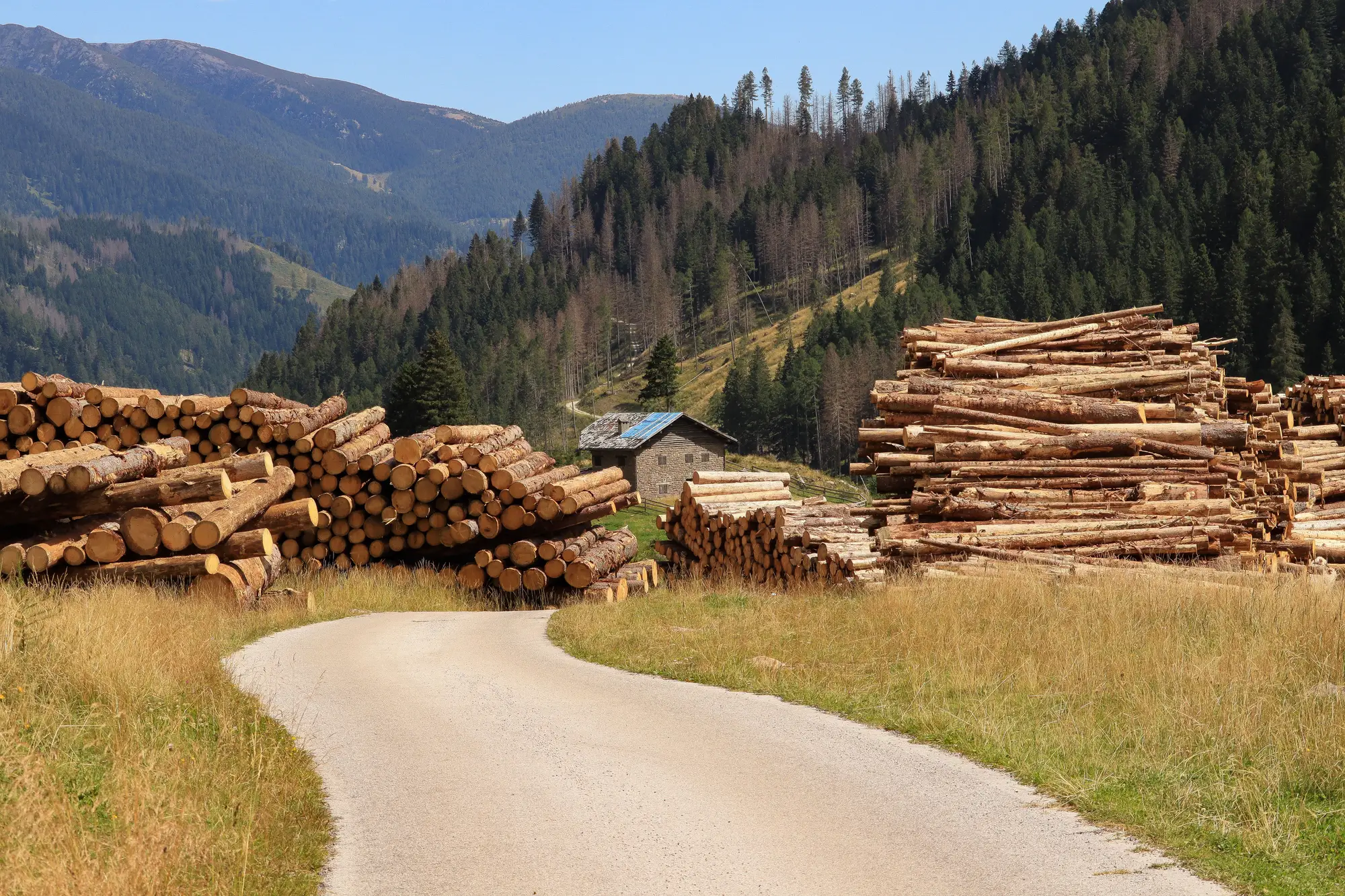
An active block has motion in it, and motion leaves marks. Look for a landing with decked logs stacked and the pile changing size between passes. That's the clearest tell there is. A dormant landing sits flat and unchanged month to month; an active one grows, gets trucked out, and fills back in.
Skid trails matter too. Fresh ruts look dark and disturbed against the surrounding ground, especially after rain softens the soil. Old skid trails start to green over within a season, grass and brush filling the compacted lines. If the trail network into a block looks the same in this month's pass as it did two months back, the crew probably isn't in there.
Slash piles are a third signal. A block being actively logged keeps producing slash: tops, limbs, broken sections left at the stump or dragged to the landing edge. If the slash pile hasn't grown since the last pass, nobody's been cutting.
And the canopy gap itself keeps expanding at the working edge on an active block. A felling front moves. You can watch the line between standing timber and open ground shift from one monthly pass to the next.
Signs a block has gone dormant
A dormant block is the mirror image. The landing is static, no new log decks, no change in pile height. Skid trails have started to soften at the edges, catching early regrowth. Slash piles sit exactly where they were last time. Equipment, if it's visible at all, isn't where the cutting is happening, it's parked off to the side or gone entirely. The canopy edge hasn't moved.
The tricky part is that dormant doesn't always mean finished. A block can go quiet for reasons that have nothing to do with the contractor pulling out: spring breakup takes equipment off wet ground for weeks, a wildfire closure order shuts down an entire district overnight, a mechanical breakdown parks a harvester for a pass or two while parts come in. A single month of no visible activity isn't proof the crew has moved on. Two or three consecutive passes showing the same static landing and the same slash pile is a much stronger signal than one quiet month.
That's also why a one-time look at a block tells you less than a repeated one. Permit records lag what's actually happening on the ground by weeks, sometimes a full season, because contractors shift crews between blocks inside the same license area without anyone updating a public filing. The only way to know which blocks are still being worked right now is to keep checking the same ground on a schedule and compare what changed.
That's the gap Forestry Machine Census is built to close: a monthly read on active cutblocks and the harvesters and forwarders working them, pulled from fresh imagery instead of permit paperwork that's already out of date by the time it's filed.
If you're tired of driving out to a block only to find the landing cold and the trails grown over, get in touch and see what a monthly pass over your region shows this month.