Field notes: the mud season that moved a whole crew's operation into the swamp
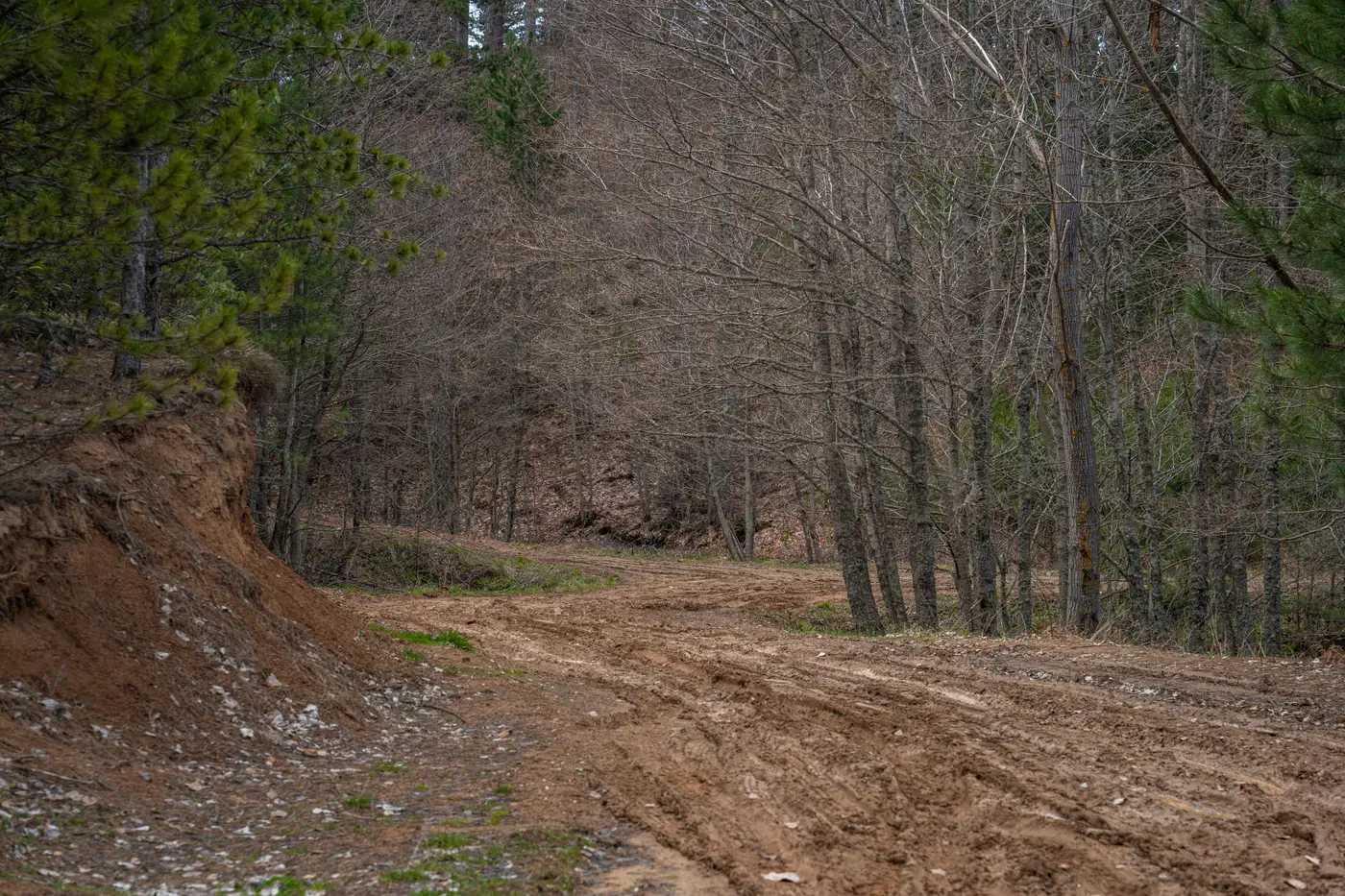
We'd been watching the same contractor work a stand of planted pine off a county road for three passes running. Nothing unusual about it. A harvester and a forwarder, the landing growing a little bigger each month, the kind of steady progress you'd expect out of a crew that knows the ground and isn't fighting it.
Then the fourth pass showed an empty landing. No machines on the upland block at all, just skid trails gone quiet and a stack of logs nobody had hauled out yet.
A few counties over, on a tract we hadn't seen this contractor touch in over a year, there they were. A harvester working a pocosin edge, a forwarder running a corduroy mat trail back to a new roadside deck cut into what used to be swamp scrub. Same machine fleet, same operator habits visible in how the trails ran, just dropped into ground that looks nothing like where they started the year.
This is the part of the job that doesn't show up in a permit file. Somebody at that company made a call, probably after a week of rain turned the upland cutblock into something no forwarder wants to cross loaded, and the crew packed up and moved to wetland ground that firms up better once the frost sets or the water table drops enough to float a mat. It's a trade move as old as the industry. Loggers have always had a wet-weather block and a dry-weather block, and they rotate between them on the calendar the ground sets, not the one in the harvest plan.
What's useful about catching it on imagery is the timing. A permit tells you a company has rights to cut a tract sometime in the window it's good for. It doesn't tell you the crew walked off the pine stand in week two of a wet October and showed up on the swamp block in week three. If you're trying to figure out which contractors are running equipment right now, versus which ones are sitting on standing timber waiting for ground to firm, the permit record and the machine count on the landing tell two different stories. Mud season is when that gap gets wide.
It also tells you something about the fleet. A crew that's comfortable moving into pocosin or bottomland ground on short notice usually has a forwarder built for it, wider bogies, lower ground pressure, maybe a second machine held in reserve for exactly this kind of switch. A contractor running one all-purpose rig on firm upland dirt doesn't have that option. When the rain comes, they idle instead of relocating. Watching who moves and who sits still, month over month, says as much about a contractor's equipment list as any spec sheet would.
By the fifth pass, the upland block still hadn't been touched. The swamp landing had grown, more logs stacked, a second forwarder trail cut parallel to the first. Whatever decision got made in week two held through the rest of the wet stretch, and the crew stayed put on wetter ground until conditions turned again. That's the kind of thing you only catch by looking at the same ground, and the ground a few miles over, month after month, which is the whole reason we started building a monthly list of active cutblocks with machine counts by type in the first place.
If you're trying to keep track of which crews are actually cutting and where they've moved to, that's worth a look.