What is spring breakup, and why does it empty cutblocks for weeks?
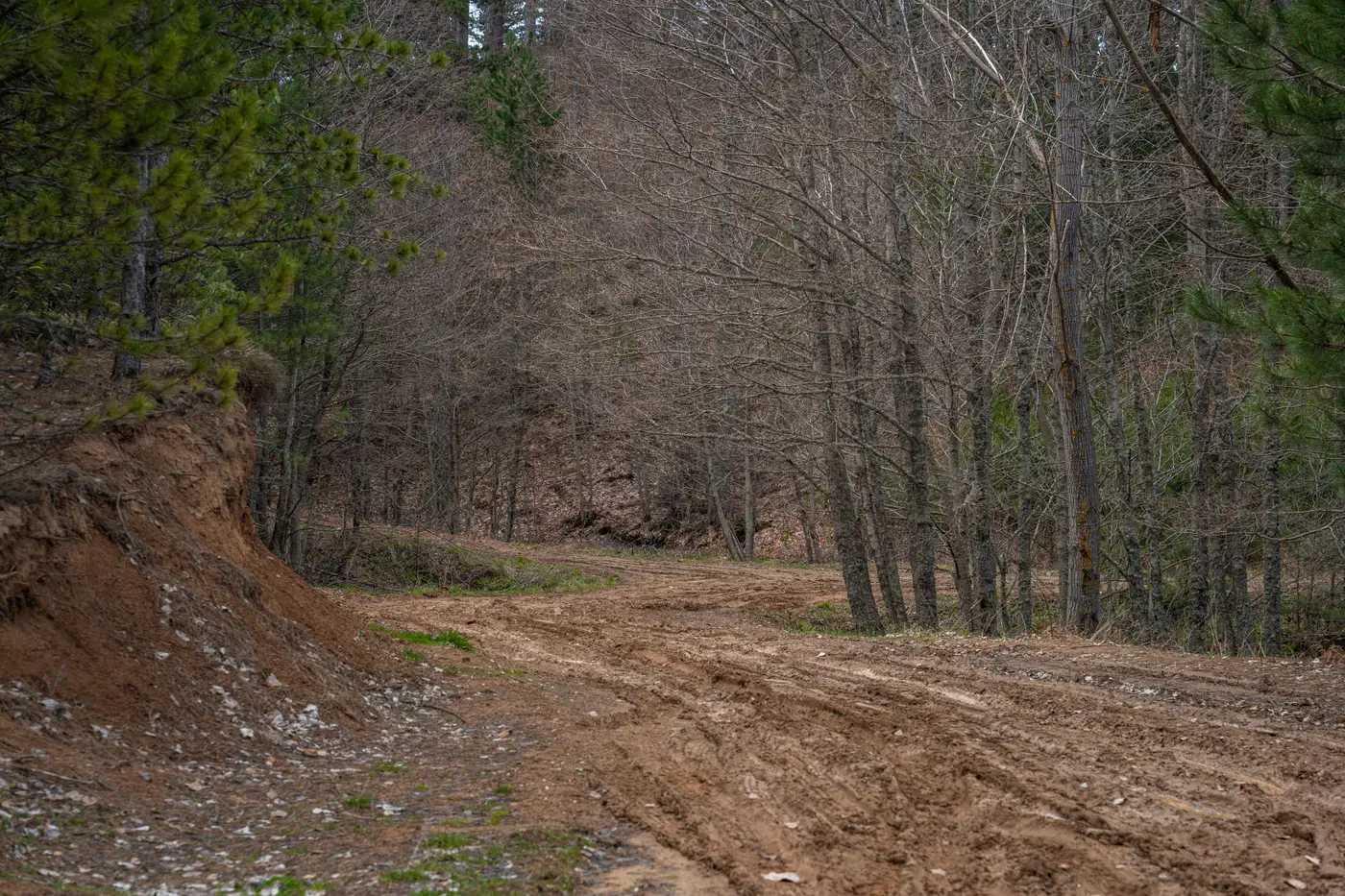
If you cover a territory that gets real winter, you already know the calendar event that matters more than any sales quota: breakup. One week the woods are full of iron, the next week every landing you track goes quiet, and it stays quiet for a month or six weeks depending on how the thaw runs that year.
What breakup actually is
Spring breakup is the period when frozen ground and frozen roads thaw out from the bottom up. During winter, frost locks the subgrade solid, so a haul road that would turn to soup in August can carry a loaded log truck in January without blinking. Once daytime temps climb and the frost starts pulling out of the ground, that same road loses its load-bearing capacity fast, sometimes within days of the first real thaw.
The surface can look fine. The problem is underneath. Water has nowhere to drain because the frost layer below is still frozen, so it sits right at the surface and turns the top foot of roadbed into something closer to pudding than gravel. Drive a loaded forwarder over that and you don't get stuck, you get a road that's wrecked for the rest of the season.
Provinces and states that manage public forest roads handle this with weight restrictions and outright road bans, timed to frost-depth readings rather than a fixed date on the calendar. A mild winter with shallow frost can mean an early, short breakup. A deep-frost year with a fast warm-up can mean a long one. Either way, once the ban drops, loaded trucks are off those roads, full stop, and most operators park the harvester too since there's no point cutting wood you can't haul.
Why crews actually stop, not just slow down
A sales rep tracking contractor activity might picture breakup as a slower pace, fewer loads, a skeleton crew keeping the deck stocked. In practice it's closer to a full stop. A few things stack up at once:
Ground conditions in the cutblock itself go soft right alongside the roads. A harvester running on a frozen forest floor in February can rut that same ground past the point of regeneration standards by late April. Most contractors who care about their cutting permits, and the ones who want a permit renewed next year, pull equipment before that happens rather than after.
Haul distance matters too. A contractor sitting on wood close to a mill with decent road access might squeeze out a few extra weeks. One running a long haul on secondary roads is often the first to shut down and the last to restart, because that road degrades faster and the ministry or county bans it sooner.
And once a crew demobilizes, there's a real cost to bringing it back. Moving a harvester, a forwarder, and the low-bed to haul them is not a same-day decision for most outfits. A lot of contractors use the downtime for maintenance, cat work, or a few weeks on a private woodlot that's on better ground, rather than gear up twice in one season.
What this means for tracking who's cutting
This is exactly the stretch where permit data and reality part ways. A contractor's harvesting permit can run through June on paper while the actual machines sat idle since the first week of April. If you're working a territory off a permit list or a government cut-plan map, breakup is the season that makes those sources look current when they aren't.
That gap is the whole reason to watch the cutblocks themselves rather than the paperwork behind them. A monthly check on which landings still have machines on them tells you who restarted and who's still parked, instead of making you guess off a permit date or a cold call that may or may not get returned.
Breakup ends when it ends, not on a schedule, and the contractors who come back first are usually the ones worth calling first. Forestry Machine Census is built to show you that restart as it happens, one pass at a time.